Mattress Recycling: The Simple Step That Boosts Your ESG Score
Sustainability is no longer just a buzzword these days. Businesses are under pressure from investors, customers, local communities, and regulators to show real action on environmental, social, and governance (ESG) goals. But here’s a question many operations managers overlook: What are you doing with your old mattresses? Yes, your mattresses.
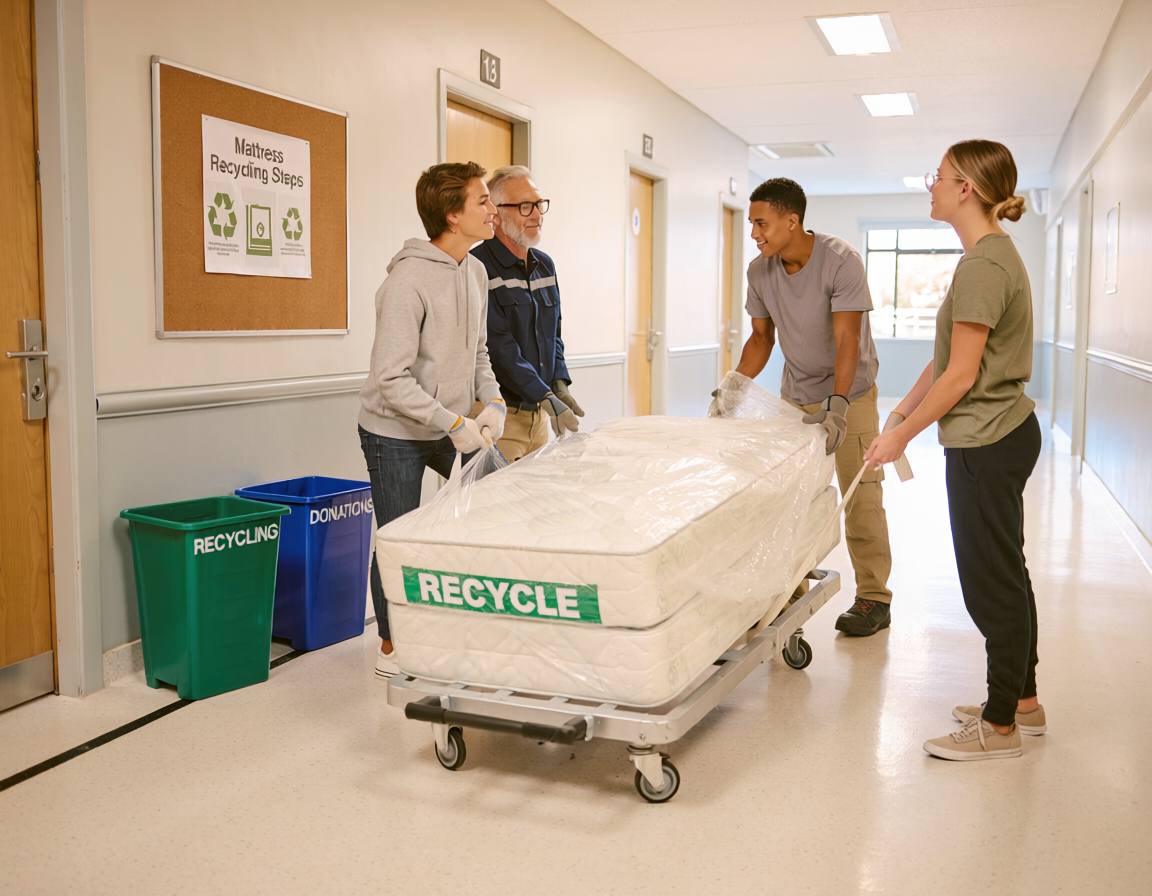
If your organization manages a lot of mattresses (hotels, universities, hospitals, or retailers)
recycling them with The Mattress Guy can be a simple, high-impact step toward better ESG performance.
What is ESG?
ESG represents Environmental, Social, and Governance criteria. It evaluates responsible operations within the corporate life cycle.
- Environmental: Management of
natural resources, waste, emissions,
energy usage, and overall
environmental footprint.
- Social: Impacts on employees, customers, and surrounding
local communities.
- Governance: Ethical leadership, transparency, and compliance.
A strong ESG plan improves investor confidence, reduces risk, and validates
eco-friendly practices. A
mattress recycling program directly supports these goals by reducing
mattress waste, capturing
recyclable materials, and aligning with
Extended Producer Responsibility expectations.
The environmental effects of mattress disposal
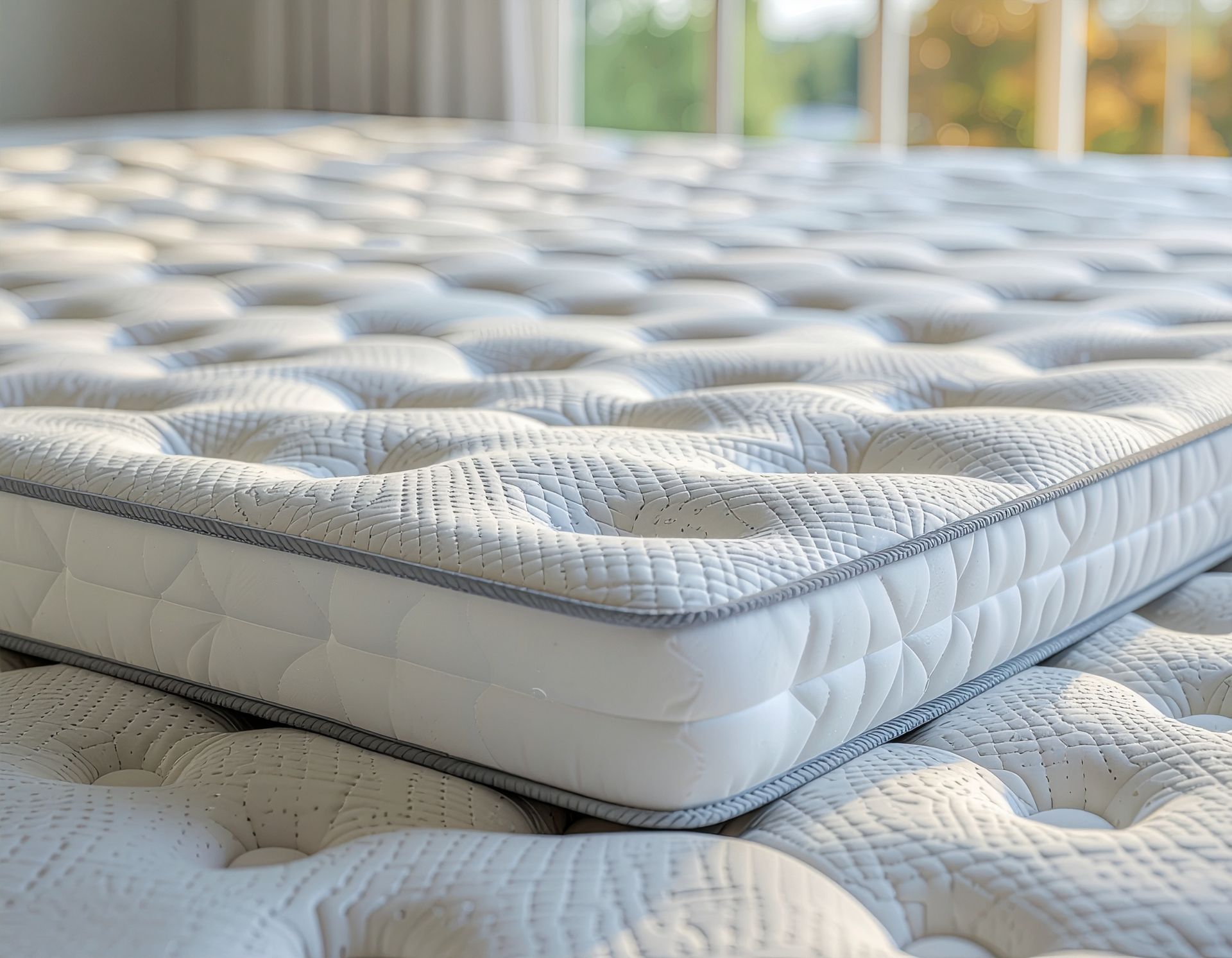
Mattresses are bulky, complex products made of multiple materials including steel, foam, wood, and fabric. Improper disposal is an environmental challenge:
Volume of waste
Every year, the United States discards millions of used mattresses, generating a significant waste stream.
Nearly 20 million discarded mattresses enter landfills annually. These bulky items increase landfill usage and release methane and other greenhouse gas emissions. With climate change accelerating, updating disposal practices is essential.
Environmental hazard
Mattresses are made of layered mattress materials such as steel, polyurethane foam, cotton, wood, and fabric that may also contain volatile organic compounds and flame retardants. When these materials enter landfills, the industry loses valuable materials that could instead become new products or enjoy a second life.
Recycling mattresses mitigates these issues by diverting waste and recovering materials:
- Steel: A single mattress can provide 30 pounds of steel for reuse.
- Foam: Approximately 8 pounds of polyurethane foam can be repurposed into carpet padding, insulation, or industrial materials.
- Wood and fiber: These materials can be recycled for new furniture, packaging, or building products.
The Mattress Guy, based in the San Francisco Bay Area, provides 100% recycling of mattresses and box springs, helping both residential and business clients divert valuable materials from landfills:
- Steel, wood, cotton, and foam are broken down and repurposed for new products
- Over 75% of each mattress can be recycled
- The process reduces environmental impact while creating jobs
How Mattress Recycling Supports ESG Goals
ESG frameworks such as GRI and SASB monitor resource efficiency, waste reduction, and sustainable practices. Mattress recycling supports these priorities.
Environmental stewardship
- Reduces
landfill waste and lowers your
carbon footprint
- Minimizes
environmental impact and lowers
greenhouse gas emissions
- Preserves
natural resources by returning
valuable materials to the
mattress and furnishings supply chain
- Enhances
energy efficiency and reduces use of virgin materials
Operational efficiency
- Streamlines
mattress disposal logistics
- Simplifies bulky item handling and improves
customer experience
- Offers consistent, scalable
recycling solutions
Social responsibility
- Demonstrates your
sustainable business commitment
- Supports Environmental Protection and local job creation
- Enhances community trust and ESG transparency
Regulatory compliance
- Meets local, state, and federal
waste management regulations
- Supports adherence to
mattress recycling laws
- Reduces risk from improper disposal fines
How businesses can start a mattress recycling program
Implementing a mattress recycling program may seem daunting, but with the right approach, it can be simple, cost-effective, and highly beneficial for your ESG goals. Here’s a step-by-step guide for businesses:
1. Do an in-depth inventory and assessment
Evaluate your used mattresses across all locations. Assess replacement frequency, expected volume, and recycling fees for each stage of the life cycle. This prepares accurate forecasting for pounds of material recovered.
2. Partner with a Certified Recycler
While you
could attempt to recycle mattresses on your own, it is complicated, time-consuming, and often requires specialized tools and knowledge to properly separate materials.
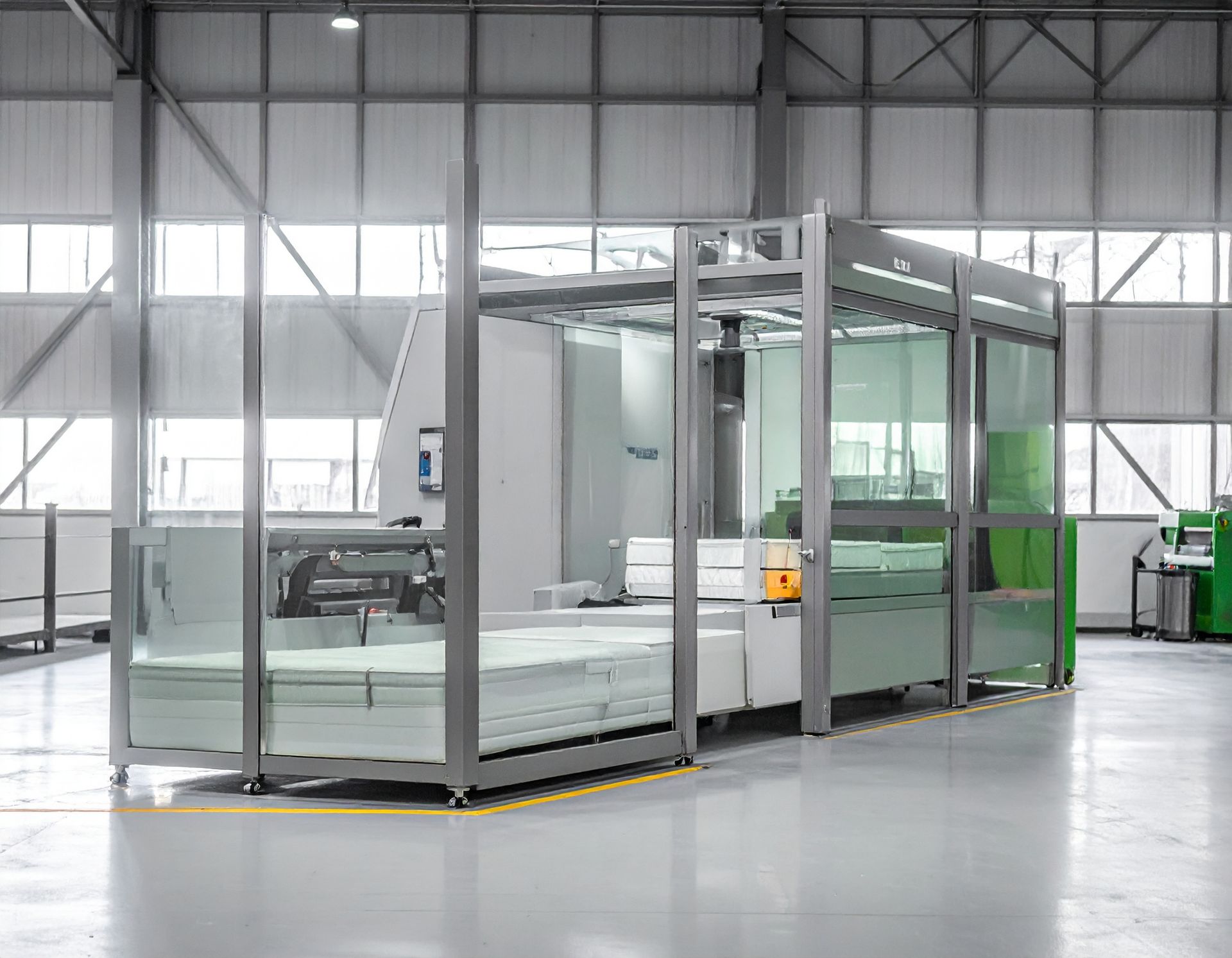
Working with a professional mattress recycling company like The Mattress Guy ensures compliant handling of box springs, memory foam, returned mattresses, and items still in good condition. Our recycling process aligns with regional guidelines and maximizes environmental benefits at every life cycle stage.
3. Track your reports and metrics
Monitor material diversion,
recycling rates, and reduced
landfill waste. Use this data for ESG disclosures, investor updates, and
latest news releases.
The benefits of mattress recycling beyond ESG
Beyond improving ESG scores, mattress recycling offers additional business advantages:
- Cost savings: Recycling can reduce fees associated with landfill disposal and bulky waste management.
- Brand reputation: Companies that visibly invest in sustainable practices appeal to environmentally conscious consumers and clients.
- Regulatory assurance: Partnering with certified recyclers ensures compliance with state and municipal waste laws, reducing potential fines and liabilities.
- Circular economy contribution: Recycled materials are reintroduced into manufacturing, supporting broader industry sustainability initiatives.
Conclusion
Mattress recycling is a practical, high impact ESG strategy that reduces Environmental Footprint, minimizes the waste stream, and recovers valuable materials for the broader mattress industry. By partnering with a certified recycler, businesses adhere to mattress recycling laws, support sustainable practices, and strengthen ESG performance while lowering carbon emissions and advancing the circular economy.
If your organization is ready to enhance ESG outcomes and adopt actionable sustainability practices, a
mattress recycling program is the next strategic
step forward.